01 Case Presentation
Basic Information: A 74-year-old male patient.
Chief Complaint: Admitted due to dizziness and unsteady gait for one month.
Present Illness History: One month prior to admission, the patient developed dizziness, light-headedness and unsteady walking. Dizziness mostly occurred while standing and walking, and was relieved by supine rest. Cervicocephalic CTA performed at another hospital revealed severe stenosis with plaque formation in the V4 segment of the right vertebral artery and severe stenosis in the M2 segment of the right middle cerebral artery. The patient was treated with dual antiplatelet therapy and statins for plaque stabilization. Two weeks before admission, the patient presented with left limb weakness and dragging of the left lower extremity during walking, and was transferred to our hospital for further diagnosis and treatment.
Past Medical History: History of hypertension and diabetes mellitus.
Physical Examination on Admission: No abnormalities were found in cranial nerve examination. Upper motor neuron lesions of the left limbs were noted: grade 4 muscle strength, increased muscle tension, hyperactive tendon reflexes and positive Babinski sign on the left side. No abnormal sensory function was detected.
02 Preoperative Imaging Findings
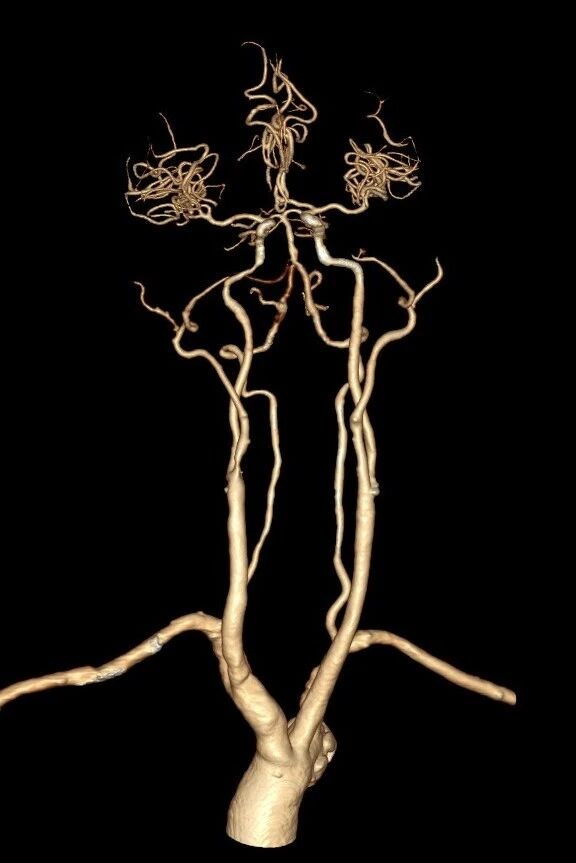
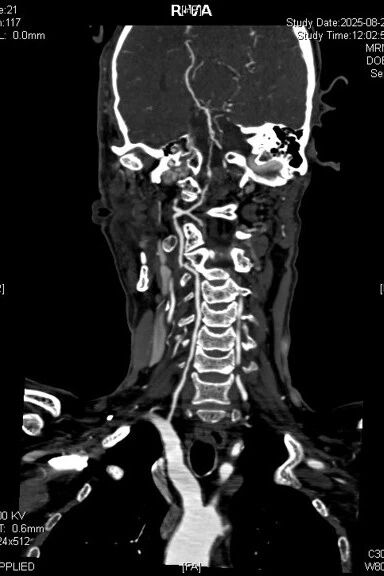
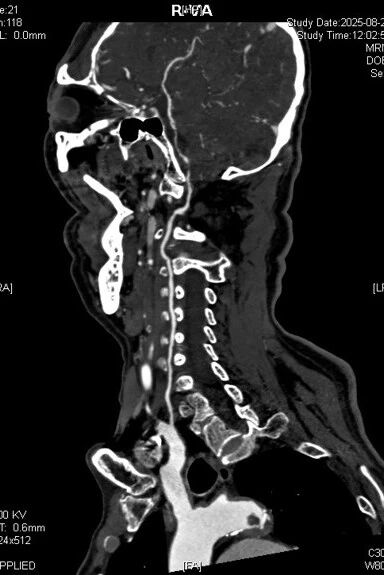
Preoperative cervicocephalic CTA showed segmental severe stenosis at the V4 segment of the right vertebral artery.
/
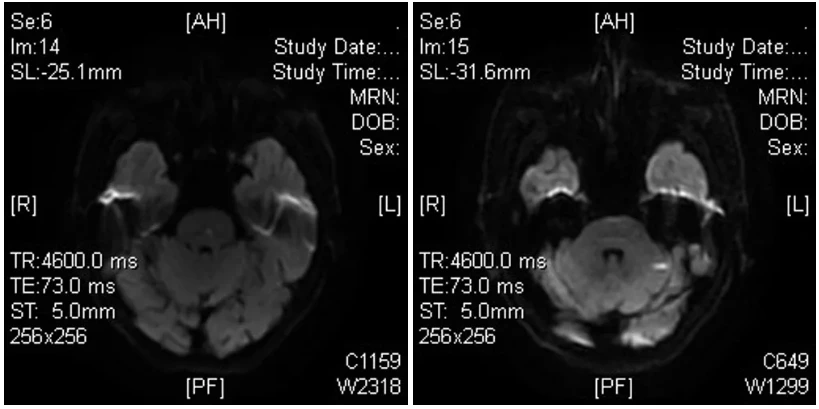
Preoperative MRI indicated acute infarcts in the pons and left cerebellum.
03 Preoperative Diagnosis and Surgical Strategy Formulation
Final Diagnoses
- Severe stenosis of V4 segment of right vertebral artery complicated with acute cerebral infarction
- Posterior circulation ischemic syndrome
- Essential hypertension (very high risk)
- Diabetes mellitus
Preoperative Medication
- Aspirin 100mg, orally once daily for 5 days
- Clopidogrel 75mg, orally once daily for 5 days
- Atorvastatin calcium 40mg, orally every night for 5 days
Intensive insulin therapy for blood glucose control and standardized blood pressure management were administered.
Surgical Approach
Under general anesthesia, percutaneous right femoral artery access was adopted to perform angioplasty and stenting for stenotic lesions at the V4 segment of the right vertebral artery.
Analysis of Surgical Difficulties
- Ensure system stability by advancing the long sheath or guiding catheter to the distal V2 segment of the right vertebral artery;
- Smooth passage of micro-guidewire and microcatheter across the lesion segment;
- For long-segment stenosis of right vertebral artery V4 segment: assess vascular recoil and morphological stability after balloon dilatation; confirm full expansion and adequate apposition of deployed stents, and formulate measures to prevent in-stent thrombosis.
04 Intraoperative Instruments
8F Femoral Artery Sheath
125cm Multifunctional Single-curved Catheter
Hydrophilic guide wire
8F Guiding Catheter
6F DA Catheter
SL-10 Microcatheter
2m 0.010-inch Micro-guidewire
3m 0.014-inch Micro-guidewire
Keuro Juewa OTW Intracranial Balloon Dilatation Catheter, 2.0×12mm
EP2 Stent, 4.0×16mm
05 Treatment Process
DSA findings: Right vertebral arteriography was performed.
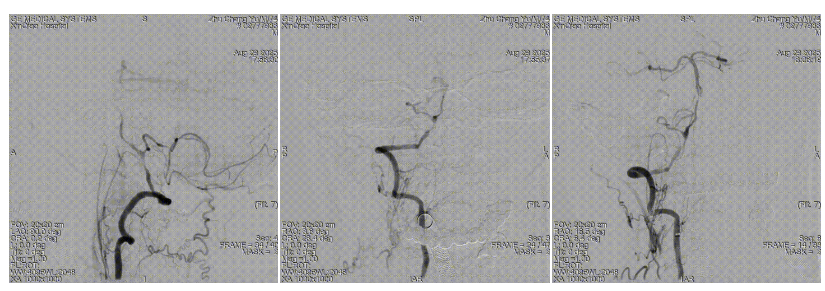
Advance the 2m 0.010-inch micro-guidewire together with microcatheter to the left posterior cerebral artery.
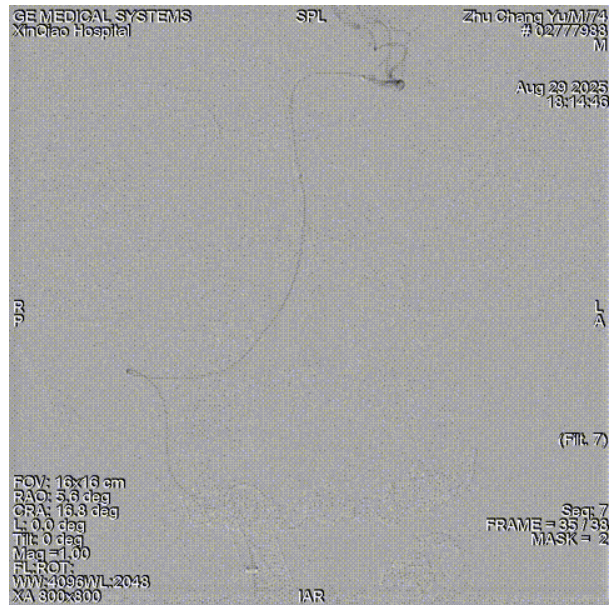
Exchange for 3m 0.014-inch micro-guidewire.
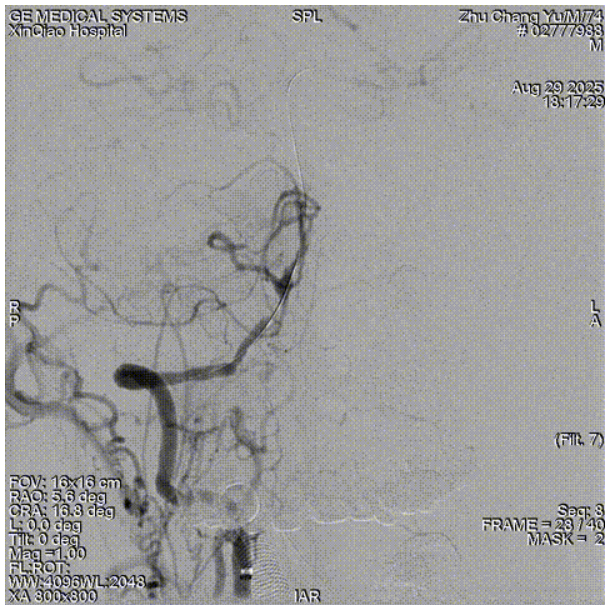
Position the Keuro Juewa OTW intracranial balloon dilatation catheter and perform PTA balloon angioplasty.
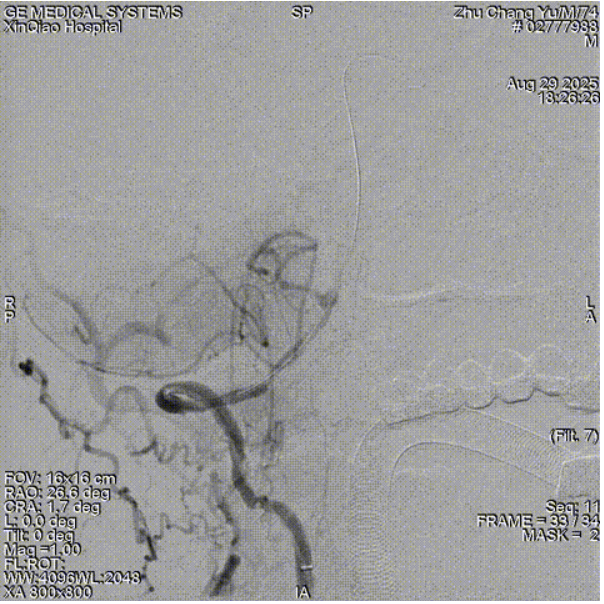
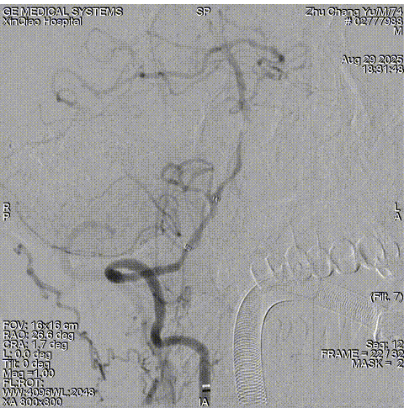
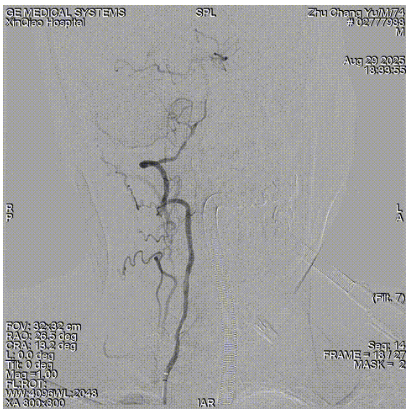
Deploy EP2 stent via Keuro Juewa OTW intracranial balloon dilatation catheter with satisfactory vessel wall apposition.
06 Postoperative Condition
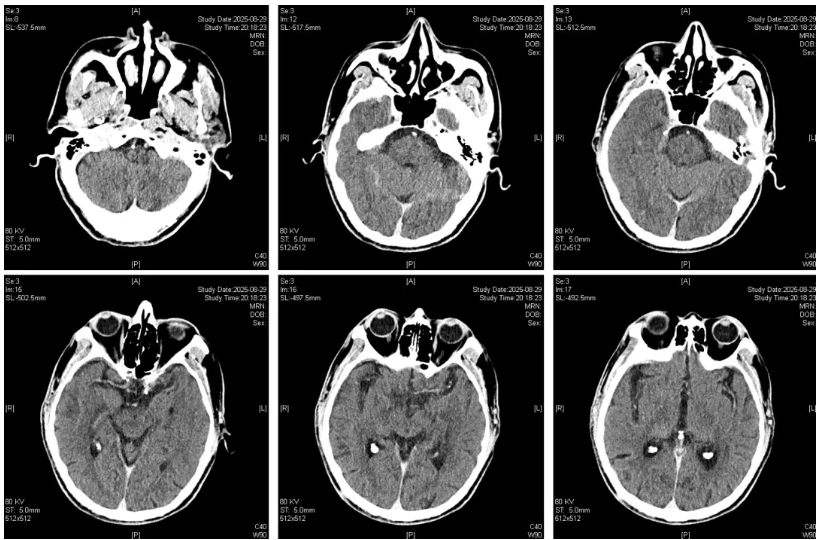
Immediate postoperative cranial CT examination.
Postoperative Management and Follow-up
No hemorrhage was observed on postoperative re-examination cranial CT. Tirofiban was administered via microinfusion pump for 24 hours, followed by oral dual antiplatelet therapy. Systolic blood pressure was strictly controlled within 120 mmHg within 48 hours after surgery.
Discharge Medications:
Atorvastatin Calcium 40mg qn
Aspirin 100mg qd
Clopidogrel Bisulfate Tablets 75mg qd
Probucol 0.5g bid
Surgeon's Experience
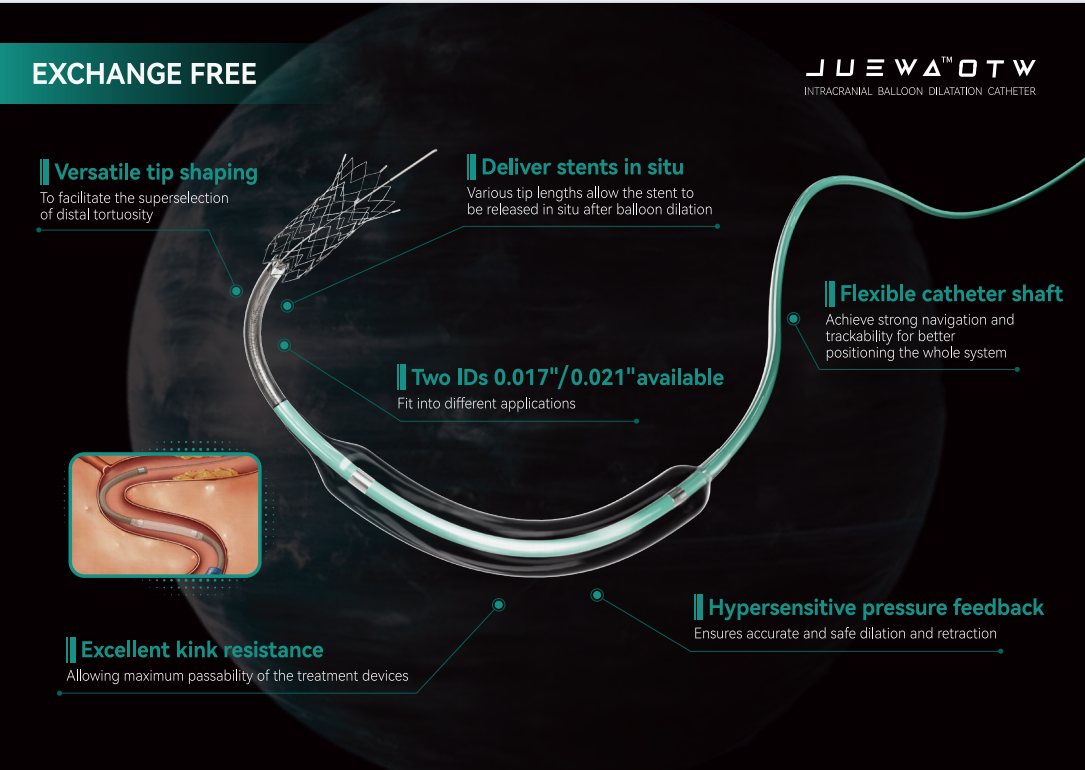
The Keuro Juewa OTW intracranial balloon dilatation catheter enables direct stent delivery through its inner lumen, which simplifies instrument exchange procedures, helps reduce intraoperative complications, shorten operation duration and cut down medical consumable costs.
Adopting a multi-layer integrated design combining balloon and microcatheter, the passability of Keuro Juewa OTW intracranial balloon dilatation catheter is inferior to dedicated stent delivery microcatheters, yet superior to conventional intracranial balloons.
Featuring an inner diameter of 0.021 inches, this catheter is compatible with EP2 intracranial stents of various specifications, ensuring smooth and unobstructed stent deployment without jamming.
Product Introduction
Keuro Juewa OTW Intracranial Balloon Dilatation Catheter is available with two inner diameters: 0.021 inches and 0.017 inches.
Stents can be delivered coaxially immediately after balloon dilatation. Its unique distal microcatheter design delivers superior trackability, allowing in-situ stent deployment without advancing the entire catheter system forward.